
Ever wondered why some websites seem to attract visitors effortlessly while others stay quiet no matter how much effort goes in?
It’s not luck, it’s strategy. Your website is like a digital storefront: open 24/7, ready to showcase what you do best. But even the most beautifully designed site won’t perform if no one’s walking through the door.
The challenge isn’t just getting people to visit, it’s attracting the right audience and keeping them engaged long enough to take action. That’s where strategy comes in. Before we dive into the proven methods to grow your traffic, let’s first understand the foundations behind how traffic works.
Understanding the Types of Website Traffic
Before diving into how to grow your website traffic, it’s important to understand where that traffic actually comes from. Not all visitors arrive the same way, and knowing the different sources helps you focus your efforts more effectively.
1. Organic Traffic
This is the traffic that comes from search engines like Google or Bing. When people search for something and find your site in the results, that’s organic traffic. It’s one of the most valuable types because it’s earned through good SEO, relevant content, and authority. The best part? It keeps coming even when you’re not actively promoting.
2. Direct Traffic
These are visitors who type your URL directly into their browser or use a bookmark to return. It often reflects brand trust and recognition. People already know who you are and want to come back.
3. Referral Traffic
Referral traffic comes from links on other websites that point to yours like blog mentions, guest posts, or directories. It’s not just about clicks; it also signals credibility to search engines because other sites are vouching for you.
4. Social Traffic
Social traffic includes visitors from platforms like Facebook, Instagram, X (Twitter), LinkedIn, or TikTok. It’s excellent for increasing visibility quickly and building engagement with your audience in real time.
5. Paid Traffic
This includes all visitors coming through paid advertising campaigns like Google Ads, social media ads, or sponsored placements. It’s a fast way to get visibility, especially for new websites, but works best when balanced with organic methods.
Understanding these traffic sources helps you see the bigger picture: sustainable website growth isn’t about relying on one channel. The real power comes from combining them, where organic traffic builds long-term stability, and paid or social traffic gives you quick boosts when you need them.
10 Proven Strategies to Drive Massive Traffic to Your Business Website
Now that you understand where website traffic comes from, let’s explore ten proven strategies that can help you attract and sustain meaningful traffic to your site.
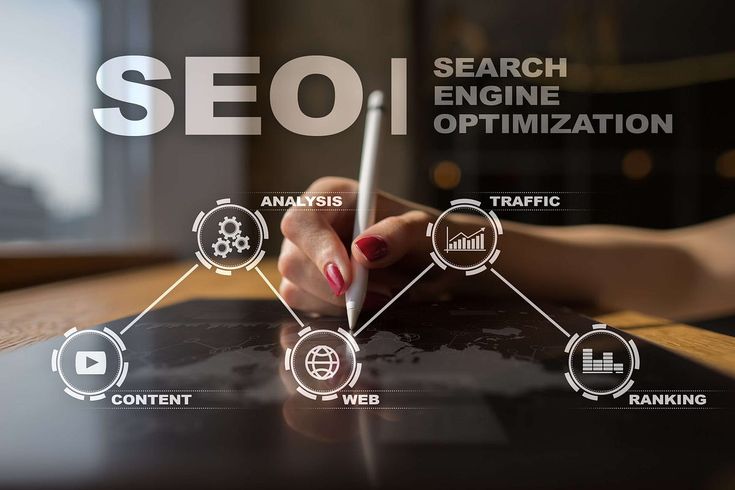
1. Master SEO (Search Engine Optimization)
Search engines are where most online journeys begin and over 90% of web experiences start with a Google search, and most users never scroll past the first page. That means ranking high is essential for visibility.
SEO focuses on improving how search engines and users understand your website. It’s not just about keywords; it’s about site speed, structure, and credibility.
Tips to implement:
- Research and use the right keywords for your audience.
- Optimize your titles, meta descriptions, and headers.
- Improve website speed and ensure mobile responsiveness.
- Earn backlinks from credible websites in your industry.
A well-optimized site brings in consistent organic traffic that compounds over time.
2. Create High-Value Content
People visit websites that offer something useful. Quality content builds authority, encourages shares, and keeps visitors coming back. It’s not about posting frequently, it’s about posting value. Blogs, videos, and infographics are excellent ways to provide value while keeping visitors on your site longer.
Tips to implement:
- Focus on topics your audience is actively searching for.
- Write detailed blog posts and include visuals or videos.
- Update older posts to keep information current.
- End each piece of content with a clear call to action.
When you give value, people naturally share and link back to your website — growing your traffic organically.
3. Leverage Social Media Marketing
With over 4.9 billion people using social media, platforms like Instagram, LinkedIn, and Facebook are powerful channels for website promotion. Around 75% of users discover new brands or products through social media.
Social media helps you create visibility, share updates, and drive traffic to your site through engaging posts, stories, and ads.
Tips to implement:
- Share short snippets or insights from your website content.
- Include your website link in your profile and captions.
- Post consistently and respond to comments and DMs.
- Use hashtags and visuals that attract attention.
Social media is not just for awareness, it’s a constant funnel of visitors to your website.

4. Invest in Paid Advertising
Paid ads offer immediate visibility and targeted reach. Businesses earn an average of $2 to $4 or more for every $1 spent on Google Ads, proving that smart advertising pays off.
Platforms like Google Ads, Meta Ads, and LinkedIn Ads let you reach audiences by interest, location, and intent.
Tips to implement:
- Start small with search or display ads.
- Use clear, benefit-driven headlines.
- Create dedicated landing pages for each ad campaign.
- Test different audiences and optimize based on performance.
Paid advertising helps you attract high-quality visitors quickly, especially when combined with organic efforts.
5. Optimize for Mobile Users
Most website visits now come from mobile devices. If your site doesn’t load fast or display properly on phones, visitors will leave in seconds. Mobile optimization isn’t optional, it’s essential.
Mobile optimization improves both user experience and your SEO ranking.
Tips to implement:
- Use a responsive web design that adjusts to any screen size.
- Simplify menus and buttons for easy navigation.
- Compress images to reduce load times.
- Test your site on multiple devices regularly.
A mobile-friendly website keeps users engaged and encourages them to explore more pages.
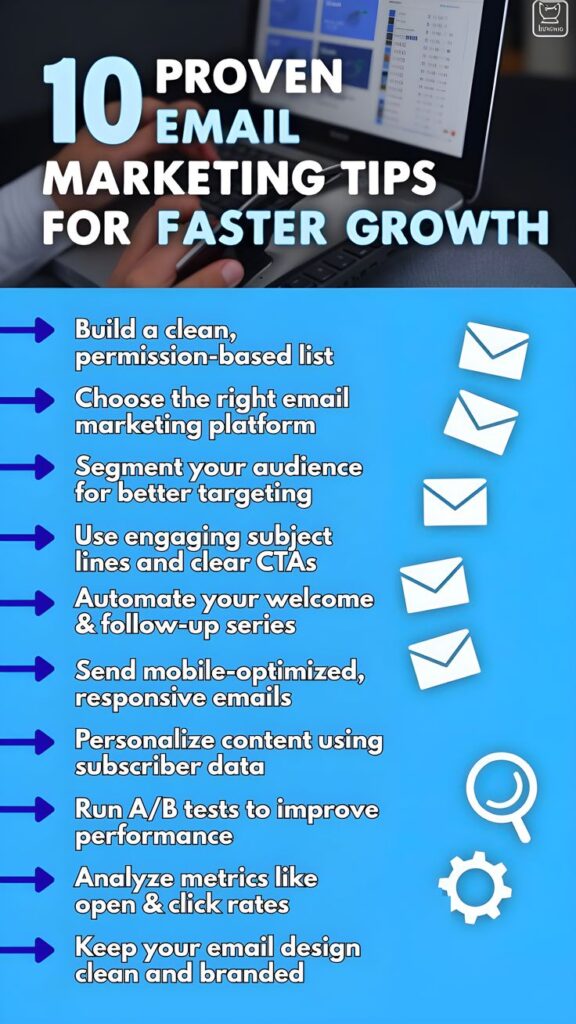
6. Use Email Marketing Wisely
Email is one of the highest-performing marketing channels. Every $1 spent generates about $36 in return. It’s a powerful way to build relationships and drive repeat visits.
Email allows direct communication with your audience, keeping them updated on your latest offers or content.
Tips to implement:
- Offer free resources to build your email list.
- Send newsletters, blog digests, and exclusive deals.
- Personalize your emails based on user behavior.
- Automate follow-up emails to re-engage subscribers.
Consistent, valuable emails keep your audience coming back to your website.
7. Collaborate with Influencers or Industry Voices
Working with influencers, bloggers or experts in your niche can quickly expand your reach. It builds trust faster because audiences already believe in the person recommending your brand.
Tips to implement:
- Partner with micro-influencers who share your target audience.
- Collaborate on joint videos, blog posts, or live sessions.
- Encourage honest reviews and authentic mentions.
- Track referral traffic to measure performance.
Influencers add credibility and drive visitors who are already interested in what you offer.
8. Analyze and Improve Continuously
Data should guide your decisions. A study by McKinsey & Company found that data-driven businesses are 19 times more likely to be profitable, 23 times more likely to acquire customers, 6 times more likely to retain customers.
Analytics tools reveal where your visitors come from, what they do on your site, and where they drop off, giving you a clear roadmap for improvement.
Tips to implement:
- Use Google Analytics or Microsoft Clarity to track visitor behavior.
- Identify top-performing pages and replicate their success.
- Reduce bounce rates by improving weak areas.
- Regularly test new layouts, CTAs, and content types.
Continuous analysis ensures you’re not guessing, it ensures you’re growing strategically.
9. Offer Value Through Free Resources
Free resources attract attention and build trust. Offering useful downloads, tools, or guides can increase conversions by up to 85%.
When you give people something valuable for free, they’re more likely to share it, subscribe, and return to your website.
Tips to implement:
- Create free eBooks, templates, or checklists.
- Offer free trials, webinars, or mini-courses.
- Use sign-up forms to capture leads before download.
- Promote your resources on social media and email.
Free value positions your brand as helpful, not just promotional.
10. Automate Your Marketing Flow
Automation ensures your your website traffic keeps flowing smoothly even when you’re not online. It helps nurture leads, send follow-ups, and personalize communication. Businesses that automate lead management see revenue grow by at least 10% within months.
Tips to implement:
- Set up automated email sequences for new subscribers.
- Use chatbots to answer FAQs instantly.
- Retarget visitors with personalized ads.
- Sync your CRM to track user engagement.
Automation keeps your audience engaged without requiring constant manual effort.
How to Measure Website Traffic Success
Driving visitors to your website is only half the story. The real value comes from understanding how those visitors behave and what their actions mean for your business goals. Measuring your website traffic success helps you identify what’s working, what’s not, and where to refine your strategy for better performance.
1. Track Visitor Numbers and Behavior
Your first step is knowing how many people are visiting and how they’re interacting with your site. Tools like Google Analytics 4, Microsoft Clarity, or Matomo give detailed metrics on page views, user sessions, time spent on site, and navigation paths.
If you notice users consistently dropping off after visiting a certain page, it could mean that the content or layout needs improvement. Likewise, a steady increase in returning visitors usually signals growing brand loyalty, a good sign that your content is resonating.
Tip to implement: Set up dashboards in Google Analytics to track key data like “Sessions,” “Users,” and “Engaged Sessions.” Check them weekly to monitor trends.
2. Monitor Traffic Sources
Not all traffic is created equal. Understanding where your visitors come from helps you allocate your marketing budget and effort wisely. Most analytics tools break traffic down into categories such as organic, direct, referral, social, and paid.
If your organic traffic is low but paid traffic is high, it may be time to strengthen your SEO and content strategy for long-term results.
Tip to implement: Use UTM parameters (tags added to URLs) for your marketing campaigns. They help you see exactly which ads, posts, or emails drive the most visitors.
3. Evaluate Engagement Metrics
High traffic doesn’t always mean success. Engagement metrics tell you how interested people are in what you’re offering. Key indicators include bounce rate, average session duration, and pages per session.
A high bounce rate may mean your site loads too slowly, the design feels cluttered, or your content doesn’t match visitor intent. Conversely, longer sessions and multiple page views suggest that your website content is engaging and valuable.
Tip to implement: Use a heatmap tool like Hotjar or Clarity to visualize where users click and how they scroll. This helps identify engagement gaps.
4. Measure Conversions, Not Just Clicks
Traffic only becomes meaningful when it leads to action. Whether it’s newsletter sign-ups, downloads, purchases, or contact form submissions, these are called conversions. Tracking them shows how well your website turns interest into results.
Set up conversion goals in Google Analytics to see which pages or campaigns generate the highest ROI. For instance, if most sign-ups come from blog posts rather than your homepage, you can optimize future posts to include stronger calls-to-action.
Tip to implement: Define your website’s primary goal like lead generation or sales and create event tracking for each action (e.g., button clicks, form submissions).
5. Review and Refine Regularly
Success online isn’t static, what works today may not work next quarter. Review your analytics at least once a month to identify patterns, seasonality, or sudden traffic changes.
For example, a surge in traffic from a new social campaign might reveal content styles your audience enjoys most. Meanwhile, a dip in certain pages could signal outdated content or broken links.
Tip to implement: Keep a simple analytics report template and include traffic source breakdowns, engagement rates, and conversions. Over time, you’ll see trends that help guide smarter decisions.
Measuring your website traffic isn’t just about tracking numbers, it’s about interpreting stories. Each click, visit, and conversion reveals what people value and how well your online presence connects with them. The more you understand these patterns, the more strategically you can adapt, refine, and grow your digital footprint.
Conclusion
Turning your website into a powerhouse for traffic isn’t about one flashy tactic, it’s about building momentum through smart, consistent action. When you combine SEO, high-value content, social engagement, paid reach, mobile optimization, email strategy, collaborations, analytics, free value, and automation, you’re not just getting visitors, you’re attracting the right visitors who stick around and convert.
Take the time to apply these strategies, refine them based on what your audience responds to, and keep your digital presence sharp. With persistence and a plan, your website becomes far more than a URL, it becomes a steady stream of growth, opportunity, and meaningful connections.